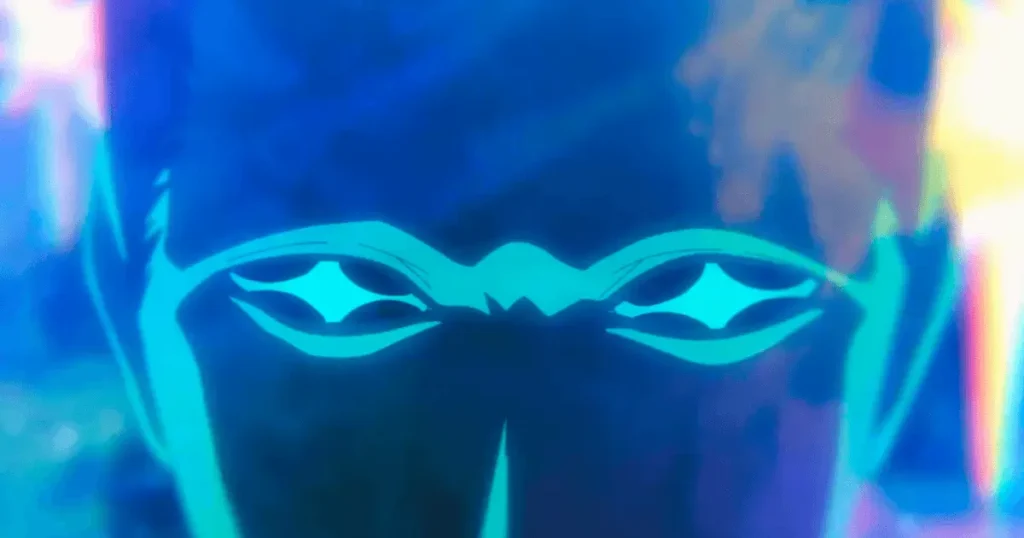
Few elements in Bleach carry as much narrative weight as the Soul King — the entity that holds up the very existence of the series’ three worlds, yet spends most of the show as a distant, almost theoretical mystery. It wasn’t until the Thousand-Year Blood War saga that this figure finally stepped out of the shadows, and what happened to him since then is one of the most dramatic — and most misunderstood — outcomes in the entire franchise. Between a blow delivered by the protagonist himself while being manipulated, a forgotten god hiding inside the body of a beloved captain, and an absorption that shifts the balance of everything, this guide lays out exactly what’s happened to the Soul King so far, and what’s still left open heading into Part 4.
Who Is the Soul King in Bleach?
The Soul King — Reiō in the original Japanese, also known as the Soul King in English — is the primordial entity that serves as the foundation for Bleach’s entire cosmology. According to what the story reveals in its final stretch, he’s existed for over a million years, is considered the origin point of every spirit race, and holds a completely unique role: he doesn’t rule Soul Society like a traditional king, he sustains the very structure that lets all three worlds exist separately in the first place.
A detail people who only know the earlier arcs tend to miss is that the Soul King barely interacts with the plot at all until the Thousand-Year Blood War — he’s mentioned, referenced, feared, but never actually shown. That deliberate absence is part of why his final reveal hits so hard: he stops being an abstract concept and becomes a central victim of the story.
Why the Soul King Isn’t Just Another Throne to Sit On
The Soul King’s role goes way beyond any throne or hierarchy. He’s, literally, the pin holding the Human World, Soul Society, and Hueco Mundo together as separate, stable realities. Without this central figure acting as the foundation, the boundaries between the three worlds start collapsing, causing tremors, spiritual breakdowns, and instability that threatens every form of life — humans, shinigami, and hollows alike.
It’s this structural role that turns Bleach’s final saga into something way bigger than “just another war”: any damage to the Soul King’s existence automatically becomes an existential crisis for every character in the story, no matter which side they’re on.
Did Yhwach Kill the Soul King Himself, or Did He Just Use Ichigo as the Weapon?
Here’s one of the most consistently misunderstood points among fans: the one who delivers the fatal blow isn’t Yhwach directly — it’s Ichigo Kurosaki, manipulated by the villain himself. Yhwach uses his control over Ichigo’s body (a byproduct of the link between the two of them since the protagonist’s birth) to force him into attacking the Soul King without Ichigo having any conscious control over his own actions in that moment.
That doesn’t let Yhwach off the hook — quite the opposite, it’s part of his meticulous plan — but it’s an important distinction for anyone asking “did Yhwach kill the Soul King”: the hand throwing the punch was Ichigo’s, sure — but the person actually swinging it was Yhwach the whole time.
Did the Soul King Really Die?
Yes — and this is one of the few points in the saga where the story leaves zero room for ambiguity. The Soul King’s body is torn apart by the attack, and his death is treated within the story as final, not as some temporary state of weakness. Interestingly, the Soul King himself is portrayed as someone who doesn’t resist his own end: he had, in some way, already foreseen what was coming, and the story suggests he accepts his fate with an almost deliberate resignation, without fighting to survive.
That passivity is something the story itself seems curious about: did the Soul King see an unavoidable future and simply stop resisting, or did he somehow glimpse a hidden hope in the world he was about to leave behind? Bleach never answers that question definitively, which turns the Soul King’s death into one of the most open emotional mysteries of the entire ending.
What Happens to the Three Worlds After the Soul King’s Death?
The immediate effect is catastrophic: without the pin holding them apart, the Human World, Soul Society, and Hueco Mundo start collapsing into each other. Tremors rip through Soul Society, and the existence of all three realities suddenly depends on an emergency fix — which sets up the most desperate, emotionally loaded intervention of the entire final saga.
Who Is Mimihagi, and How Does He Try to Save the Soul King?
Mimihagi is a piece of the mythology the story keeps secret right up until the exact moment he becomes essential: the Soul King’s own right hand, an entity that became a minor deity after being separated from the original body a long time ago. For decades, Mimihagi lived hidden inside the body of a character fans had already known for years — with the story never dropping a single hint about it before the reveal.
When the Soul King is attacked, Mimihagi tries to directly reverse the damage, wrapping around the shattered remains of the King’s body and attempting to temporarily take over the job of holding up the three worlds himself. It’s a genuine rescue attempt — but, as we’ll see next, it’s not enough to stop Yhwach.
Why Does Ukitake Sacrifice Himself for the Soul King?
Here’s the reveal that reframes the entire backstory of one of the franchise’s most beloved characters: Jushiro Ukitake, captain of the 13th Division, had been carrying Mimihagi inside him since childhood. As a kid, Ukitake suffered from a serious lung disease that threatened his life; desperate, his parents turned to a shrine dedicated to Mimihagi, begging for his survival. Mimihagi answered by entering the boy’s body and effectively trading part of his own existence for Ukitake’s health — which explains, decades later, both his shocking reserve of spiritual power and the chronic illness that followed him his entire life.
When the crisis around the Soul King explodes, Ukitake performs a ritual called Kamikake to finally let Mimihagi leave his body completely and attempt to take over as the support for all three worlds. It’s a fully conscious sacrifice: Ukitake knows the ritual will cost him his own life, and he goes through with it anyway, hoping to give Soul Society a chance to survive.
Did Yhwach Absorb the Soul King?
Yes — and this is the twist that seals the fate of everyone’s effort up to that point. Noticing Mimihagi’s attempt to stabilize the Soul King, Yhwach attacks him directly, tears him away before the fusion can complete, and ultimately absorbs both Mimihagi and what’s left of the Soul King into himself. It’s this act — Yhwach absorbing the Soul King — that causes Ukitake’s final death, since the ritual sustaining his link to Mimihagi breaks in the process.
Physically, the absorption leaves visible marks on Yhwach: a pattern resembling a chain of eyes spreads across part of his body, a clear sign of the monumental power he’s just taken in.
The Soul King and Yhwach: What’s the Relationship Between Them?
This is one of those details that really pays off for anyone paying attention to the mythology’s finer points: Yhwach isn’t just some outside enemy of the Soul King — according to the story’s own established lineage, he’s the Soul King’s son. That blood relationship adds a tragic, unsettling layer to the whole conflict: Yhwach’s entire plan throughout the Thousand-Year Blood War can, in part, be read as a son trying to replace — and surpass — his own father in the most powerful position in all of existence.
What Happens to the Soul King in Part 4?
Part 4’s episodes cover exactly this sequence of events on screen: the manipulated blow against the Soul King, Mimihagi’s desperate attempt, the reveal of Ukitake’s true nature and his final sacrifice, and the absorption that cements Yhwach’s power. It’s, without a doubt, one of the densest emotional arcs in the entire adaptation — not just a string of battles, but the closing of a piece of mythology the story had been hiding for hundreds of chapters.
Can the Soul King Come Back?
Within the logic the story itself establishes, not in the form he existed in before. What Bleach sets up is an alternative solution, not a comeback: since the three worlds can’t exist without a central “pin” holding their structure together, something — or someone — has to take over that role after the war’s ending. That doesn’t mean the original Soul King gets resurrected; it means the function itself has to be reassigned for existence to keep going.
What Does the Soul King’s Death Mean for Bleach’s Ending?
Philosophically, the Soul King’s death closes out one of the story’s most persistent themes: the cost of maintaining a system of cosmic balance always falls on someone specific — whether it’s the King himself, Mimihagi, or Ukitake. Narratively, it also redefines the stakes of the final confrontation: Ichigo isn’t just fighting to stop a powerful villain, he’s fighting to repair damage he himself was forced to cause, and to make sure the three worlds he knows — and the people he loves in each of them — keep existing.
The Soul King: What’s Confirmed, and What’s Still Up for Debate?
Some points are established facts within the story itself: the Soul King dies, attacked by Ichigo under Yhwach’s manipulation; Mimihagi is revealed as the King’s right hand, hidden inside Ukitake since childhood; Ukitake sacrifices his own life through the Kamikake ritual; and Yhwach absorbs both Mimihagi and what’s left of the Soul King, gaining visible power from it.
Other points, though, are still up for debate among fans — why exactly the Soul King chooses not to resist his own end, what he could (or couldn’t) foresee about how the war would end, and how much of his passivity was resignation versus a quiet calculation about the future that would follow him. These more introspective questions remain fertile ground for interpretation, even with the saga’s ending already published in the manga.
In your view, did the Soul King actually see something beyond his own death, or did he just accept the end without a fight? Drop your read on this mystery in the comments.